
How to Tell If a Tree on Your Mebane Property Needs to Be Removed in 2026
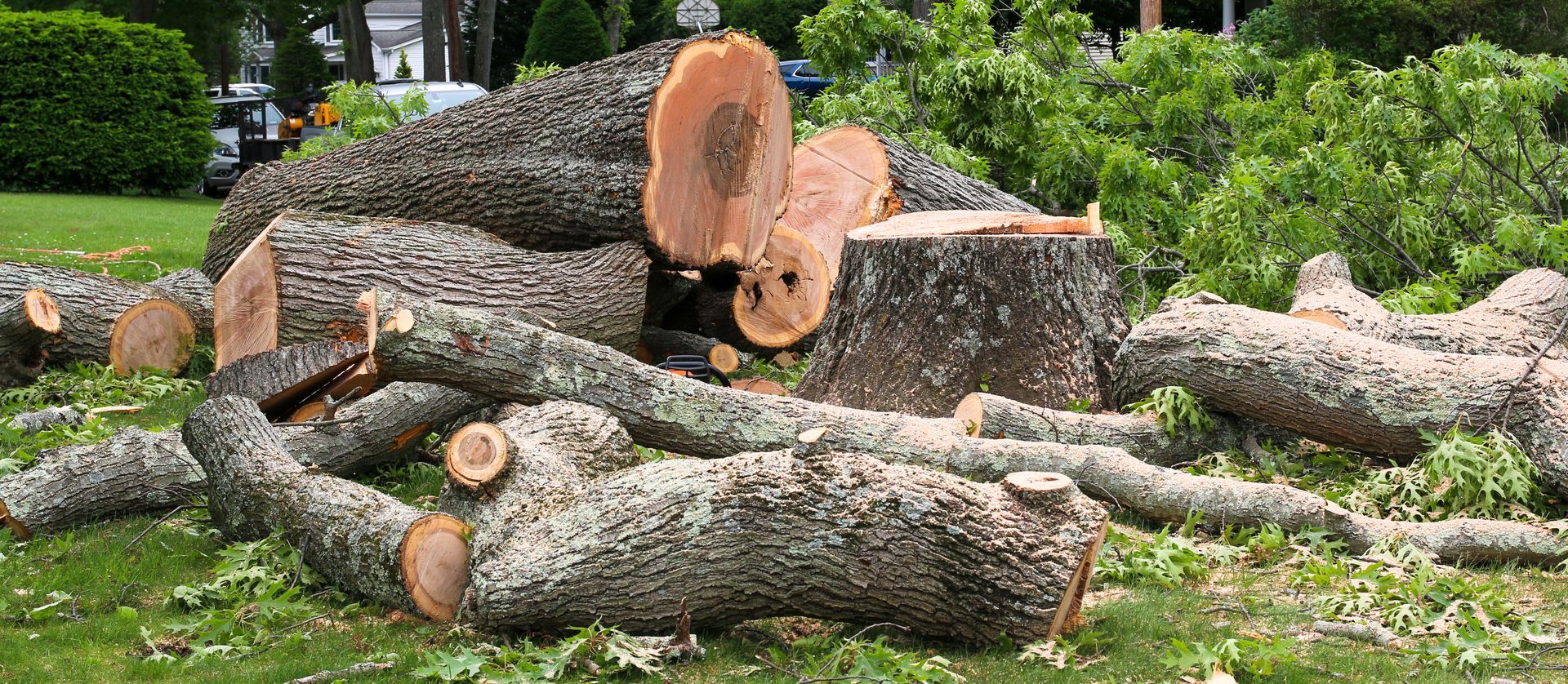
Knowing when a tree on your Mebane, NC, property needs tree removal can protect your home, your family, and your neighbors from serious harm. Trees are valuable, but some reach a point where keeping them standing creates more risk than removing them. Understanding when tree removal is necessary could prevent a dangerous situation from becoming a disaster. This guide covers six warning signs that Mebane-area property owners should know, especially heading into 2026.
Six Warning Signs That a Tree May Need to Come Down
Professional arborists look at a combination of factors, not just one issue, when assessing whether a tree should stay or go.
Mebane, NC, sits in the North Carolina Piedmont, a region where oaks, sweetgums, and loblolly pines dominate residential lots. These species are long-lived and beautiful, but they can also grow large enough to become serious hazards when their health declines. Knowing the warning signs can help you act before a tree becomes a crisis.
1. Large Dead Branches or a Dead Crown
Dead limbs are one of the clearest indicators that a tree may require removal. Branches that have no leaves during the growing season, show peeling bark, or snap off easily are likely dead. When a significant portion of the crown is dead, that tree may be too far gone to save. Dead wood can fall without warning, especially after rain or wind events.
2. A Hollow or Decayed Trunk
A cavity in the trunk signals internal decay. This does not always mean a tree must come down immediately, but large cavities can compromise the structural strength of the entire tree. Fungi such as mushrooms or shelf fungus growing at the base or on the trunk are a telltale sign of internal rot. When decay affects more than about a third of the trunk's cross-section, the tree may no longer be structurally sound.
3. A Noticeable Lean
Most trees have some natural lean, but a lean that has developed suddenly or has become more pronounced over time is a red flag. A tree leaning toward a home, driveway, fence, or power line deserves a professional assessment as soon as possible. In Mebane's clay-heavy soils, root systems can shift after heavy rain, causing formerly stable trees to tilt in ways that increase their fall risk.
4. Root Damage or Heaving Soil
Root problems are easy to miss because most of a tree's root system is underground. Look for raised or cracked soil near the base of the tree, which can indicate that roots are weakening or pulling away. Construction work, soil compaction from vehicles, or grading changes near newer neighborhoods off Interstate 40 can all damage root systems without touching the trunk. A tree with a compromised root system can topple even in moderate wind.
5. Storm Damage
Mebane and the broader Piedmont region experience summer thunderstorms and occasional ice storms that can split or crack even mature trees. After any major weather event, walk your property and look for split crotches, torn bark, hanging limbs, or wood that has cracked at the trunk. Loblolly pines, which grow tall and relatively fast, can be particularly vulnerable to snapping under the weight of ice or in high winds. A tree with major structural cracks following a storm may need prompt attention, and in many cases tree removal is the only safe option.
6. Pest or Disease Pressure
Bark beetles, fungal infections, and certain diseases can silently destroy a tree from the inside. On loblolly pines, watch for needles that turn brown from the top down and small sawdust-like tubes on the bark, which can indicate bark beetle activity. On oaks and sweetgums, look for unusual leaf loss, discolored bark, or cankers. A diseased tree that cannot recover may need to come down before the problem spreads to neighboring trees.
Do You Need a Permit to Remove a Tree in Mebane?
Permit requirements in North Carolina vary by city and county. In general, North Carolina's municipal governments regulate tree removal through local ordinances, and requirements can differ significantly even between neighboring towns. If your property is in a newer development near Trollingwood-Hawfields Road or a community governed by specific HOA or local zoning rules, there may be restrictions on removing certain trees. Contact the Town of Mebane's planning department directly to confirm what applies to your specific property before scheduling any work. A professional tree service familiar with the area can also help you understand what local regulations may require.
How Soon Should I Act If I Notice These Warning Signs?
If you spot one or more of these signs, it is best to have a certified arborist assess the tree promptly. Hazardous trees do not always announce when they are about to fail, and waiting through another storm season can increase the risk to your home and property significantly.
Can a Damaged Tree Be Saved Instead of Removed?
Sometimes, yes. A professional assessment will determine whether pruning, cabling, or other care can extend a tree's life safely. However, when internal decay, root failure, or major structural damage is present, tree removal in Mebane, NC, is often the safest and most responsible course of action.
Ready to Protect Your Mebane Property? Contact Trees Are Us Today
If a tree on your property is showing any of these warning signs, do not wait for the next storm to make the decision for you. Trees Are Us has been serving North Carolina property owners since 1962, with certified arborists and the equipment to handle everything from small residential removals to large crane-assisted jobs. Call (336) 584-6988 to schedule your assessment, or reach out online to request a free estimate. For reviews and more information, visit Trees Are Us on Google.